
Here's a number that should get your attention: by the time you're 50, your NAD+ levels have dropped roughly 50% from where they were in your twenties. And NAD+ isn't some obscure molecule — it's the coenzyme that powers essentially every energy-producing reaction in every cell in your body.
NAD+ stands for nicotinamide adenine dinucleotide, and calling it important is an understatement. It's the central hub of cellular metabolism, sitting at the intersection of energy production, DNA repair, and the aging process itself.
Why NAD+ Matters So Much
Your mitochondria — the power plants of your cells — need NAD+ to produce ATP, which is the energy currency your body runs on. No NAD+, no ATP. No ATP, nothing works. It's that fundamental.
But NAD+ does more than just fuel the engine. It's also the required substrate for two families of enzymes that are critical to aging:
Sirtuins (SIRT1-7): These are the "longevity enzymes" that regulate everything from DNA repair to inflammation to circadian rhythm. Every time a sirtuin does its job, it consumes one molecule of NAD+. As NAD+ drops, sirtuin activity drops with it — and the downstream effects touch virtually every system in your body.
PARP enzymes: These are your DNA repair crew. When DNA damage occurs (and it occurs constantly — from UV radiation, oxidative stress, and normal metabolic processes), PARP enzymes use NAD+ to fix it. As you age and NAD+ declines, your DNA repair capacity declines proportionally.
So the decline in NAD+ isn't just about having less energy. It's about simultaneously losing your ability to repair DNA, regulate inflammation, and maintain the cellular processes that keep you functioning well.
The Decline Is Real and Measurable
Research published in Cell Metabolism has documented the age-related decline in NAD+ across multiple tissue types. The decline is not subtle — it's roughly 50% by middle age, and it continues from there. This decline correlates with mitochondrial dysfunction, increased DNA damage, and the onset of age-related metabolic changes.
A landmark 2013 study by Sinclair's group at Harvard showed that restoring NAD+ levels in aged mice reversed several markers of aging in skeletal muscle. The mitochondrial function of old mice treated with NAD+ precursors became indistinguishable from young mice within just one week of treatment.
More recent work has extended these findings to brain tissue, liver function, and cardiovascular health in animal models.
The Research Formulation
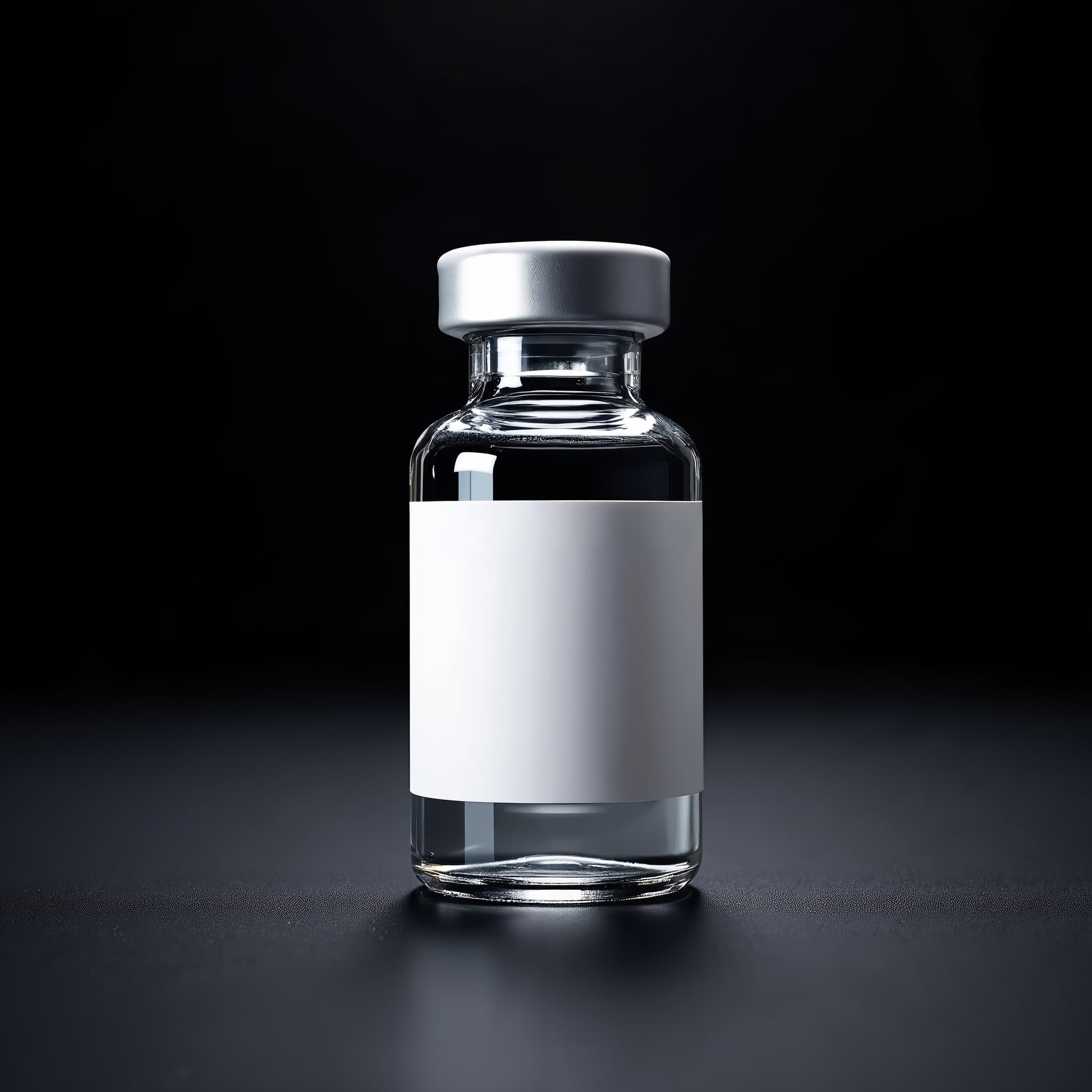
In research settings, NAD+ is typically studied as an injectable formulation at concentrations of 500mg (ref: KA-6500), which allows for direct delivery that bypasses the digestive system. This is relevant because oral NAD+ precursors (like NMN and NR) face bioavailability challenges — the molecule needs to survive digestion and be converted back to NAD+ in the cells, which is an indirect route.
What We Know and What We're Still Learning
The preclinical data on NAD+ restoration is some of the most exciting in longevity science. But I want to be clear about where we are: the animal data is compelling, and early human studies on NAD+ precursors show promise for biomarker improvements, but we're still building the evidence base for long-term outcomes in humans.
What makes this field so interesting isn't any single study — it's the convergence. When you see the same molecule sitting at the center of energy production, DNA repair, and longevity enzyme function, and you see its levels decline by half with age, the biological logic is hard to ignore.